P/N 2455038-2: Rear Engine Compartment Baffle
P/N 2455038-2: Rear Engine Compartment Baffle
Blog Article
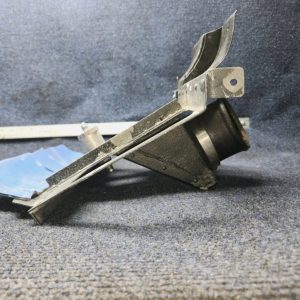
The Cessna 172RG Rear RH Baffle Assembly
Whether buyers search for a Cessna 172RG Rear Right-Hand Baffle, Cessna 172RG Engine Baffle, or Cessna 172RG Cooling Baffle, individual condition and aircraft compatibility should guide the purchase.
The Cessna Cutlass Engine Baffle and Aircraft Engine Baffle Assembly keywords help qualified buyers locate relevant replacement parts.
Whether buyers require a Cessna Engine Cooling Baffle, Aircraft Cooling Air Baffle, or Cessna 172RG Airflow Baffle, surrounding seals and attachment points should also be inspected.
The Cessna Aircraft Engine Baffle may provide replacement value when its geometry, mounting points, seals, and material condition remain suitable.
Understanding P/N 2455038-2
A component should not be accepted as P/N 2455038-2 solely because it appears to fit the rear right-hand engine area.
The buyer should determine whether the assembly is original, repaired, refurbished, fabricated, removed from an aircraft, or offered as an incomplete section.
Purpose of the Rear RH Engine Baffle
The rear right-hand baffle helps guide cooling air through intended paths around the engine installation rather than allowing it to escape through uncontrolled gaps.
Unexpected temperature indications may result from multiple causes rather than the rear baffle alone.
Cessna 172RG and Cutlass Compatibility
The Cessna 172RG Cutlass may contain production changes, previous repairs, engine modifications, or altered cooling-system components that affect fitment.
A component that fits one aircraft approximately may still interfere with another installation.
Maintaining Original Baffle Geometry
Formed contours help the baffle fit around the engine and connect with surrounding cooling-system components.
The baffle should be supported correctly during storage and shipment to prevent bending.
Inspecting the Cessna 172RG Cooling Baffle
Areas near fasteners and vibration-prone attachment points deserve particular attention.
Previous patches, stop-drilled cracks, replacement brackets, welds, or enlarged holes should be documented.
Maintaining an Effective Cooling Boundary
Old seals may be useful as templates even when they are unsuitable for continued service.
Careful seal fitting supports more consistent cooling-air control.
Protecting Aircraft Cooling Components
Surface staining may be minor, while pitting, material loss, exfoliation, or corrosion around holes can require more extensive action.
The cause of contamination should be corrected before a replacement baffle is installed.
Cessna Engine Baffle Mounting Condition
Detailed attachment-point inspection supports accurate repair planning.
The replacement assembly should align with surrounding parts without using fasteners to pull severely mismatched sections together.
Supporting Components Around the Rear RH Baffle
Organized inventory management supports a more efficient Cessna Cutlass maintenance project.
Damage can vary across components exposed to the same vibration, heat, accident, or storage environment.
Inspecting the Complete Cooling System
Temperature sensors and gauges should be evaluated when readings appear inconsistent with other operating evidence.
Cleaning or replacing one baffle should not be presented as a guaranteed cooling improvement.
Sheet-Metal Cooling Component Restoration
A documented repair plan supports a more consistent result.
Patches or replacement brackets should not create interference with the engine, cowling, controls, wiring, hoses, or exhaust system.
Commercial Value of the Cessna 172RG Baffle
Components with clear donor-aircraft information, current photographs, and transparent condition descriptions are easier for professional buyers to evaluate.
Accurate commercial information supports responsible Cessna 172RG Replacement Baffle transactions.
Cessna 172RG Baffle Buying Checklist
Any uncertainty regarding orientation, completeness, engine clearance, or aircraft compatibility should be resolved before shipment.
- Confirm the complete part number, donor-aircraft model, donor serial number, rear right-hand position, engine configuration, modification status, and available traceability.
- Examine hidden surfaces, fastener areas, formed corners, seal-retaining edges, lower sections, and mounting points carefully.
- Confirm the invoice, payment protection, packaging method, shipping insurance, inspection period, return conditions, and stated component status.
Aircraft Cooling Baffle Packaging
The baffle should be packaged with rigid support that protects thin sheet metal, formed flanges, brackets, mounting tabs, edges, seal retainers, and identification markings.
The storage more info area should remain clean, dry, secure, and protected from salt, chemicals, water leaks, impact, and temperature extremes.
Professional Engine Baffle Installation
Any mismatch should be investigated rather than corrected through uncontrolled force or modification.
Adjacent baffles, seals, brackets, cowling surfaces, wiring, hoses, controls, and exhaust components should remain free from unresolved damage or interference.
After installation, technicians should inspect mounting security, seal contact, clearances, cowling fit, airflow gaps, interference, and completeness.
Protecting Aircraft Cooling Components
Consistent inspection supports the condition of the complete Cessna engine cooling system.
Seal material should remain flexible, correctly oriented, securely attached, and positioned against the intended cowling surfaces.
Buying a Rear Right-Hand Engine Baffle
P/N 2455038-2 may suit aircraft owners, maintenance facilities, repair organizations, restoration specialists, and parts suppliers seeking a correctly identified engine baffle.
Careful technical and commercial evaluation can reduce fitment errors, missing-component costs, cooling-system gaps, installation delays, and unexpected corrosion findings.
Whether buyers need a Cessna 172RG Baffle Assembly, Rear RH Engine Baffle, Aircraft Engine Baffle Assembly, or Cessna Engine Cooling Baffle, aircraft-specific compatibility should be verified.
With transparent donor history, protected shipping, correct fitment, qualified repair planning, and effective seal installation, the component can support a professional Cessna 172RG project.
Report this page